



Here's What The Ontario Government Is Doing To Make It Cheaper & Easier For Drivers
Who's ready to stop paying for some tolls? 💰
There are a bunch of ways that the Ontario government is trying to cut costs for people in the province right now, especially on fees related to transportation and Ontario vehicles.
From shorter driving tests to refunds on license stickers, the province is rolling out new measures to allow Ontario drivers easier access to roads as well as save some cash.
Here are five things that the government has in store for drivers at the moment.
Tolls will be gone on Highways 412 and 418
Starting April 5 of this year, the Ontario government announced in a press release that drivers on Highways 412 and 418 in the Durham Region won't have to pay tolls when using those roads.
By removing these tolls, the Ford government said it will give more travel options across the Durham Region, relieve some traffic congestion in local areas, as well as improve the economic competitiveness of Durham businesses.
Drivers will still have to pay to use the Highway 407 express toll route, however, as it is a privately operated and owned expressway.
Licence plate stickers will soon be a thing of the past
Beginning March 13, Ontario vehicle owners won't have any more license plate renewal fees. Owners of light-duty trucks, motorcycles, passenger vehicles, and mopeds will also not be required to have a licence plate sticker (though snowmobile owners and heavy commercial vehicle drivers will still need to slap one on!)
Before this, drivers in southern Ontario had to pay $120 each year, while northern Ontario drivers coughed up $60 per year for their renewals.
On top of that, the government said in a press release that they'll be giving eligible vehicle owners a cheque in the mail to refund licence renewal fees that have been paid since March 2020.
But, drivers will need to confirm their addresses on their vehicle permits and make sure their driver's license is up-to-date before March 7. They'll also need to pay any outstanding tolls, fines, or fees before they can be considered for a refund.
Ontario vehicle owners will also still need to confirm their insurance by getting their licence plate renewed every one to two years, which will not cost anything, and they are still responsible for paying outstanding tolls and fines.
G road tests will be shorter until at least March
If you're looking to book a road test in Ontario, good luck.
But, if you do manage to snag an appointment, the Ontario government said they've developed a modified class G road test that'll take less time than normal, and won't repeat some test elements that you'd get on the G2 test.
So, anyone who is signed up for a G road test might not have to parallel park or show off their three-point turns during their exam.
Press secretary for Ontario's transportation minister previously confirmed to Narcity that this temporary new road test will be in place until March 31 of this year.
New highways are getting built that should cut driving times
The Ontario government made some serious investments in its highways and put down $2.6 billion for its Ontario Highways Program that will help with the construction costs of Highway 413 and the Bradford Bypass.
In the 2021 fiscal review, the provincial government shared that Highway 413 will help relieve some traffic so drivers can easily move around in the Peel, Halton, and York regions. The expansion could shave off up to half an hour of travel time for motorists.
The Bradford Bypass will also save drivers up to 35 minutes of travel time when it’s up and running. This highway will connect Highways 400 and 404 to the towns of Bradford and East Gwillimbury.
ONroutes are getting EV Chargers
The Ontario government is making it easier to find chargers for your electric cars.
In a February 23 press release, the provincial government announced that so far they've launched six charging stations, and more will pop up along Highways 400 and 401 by next summer at 17 different ONroute locations.
Drivers will be able to use the chargers on a pay-per-use basis and can be used by all types of vehicles.
According to Ontario, these fast chargers can fuel electric vehicles with a 150-kilometre range for as little as $7 (all depending on what kind of car they drive.)
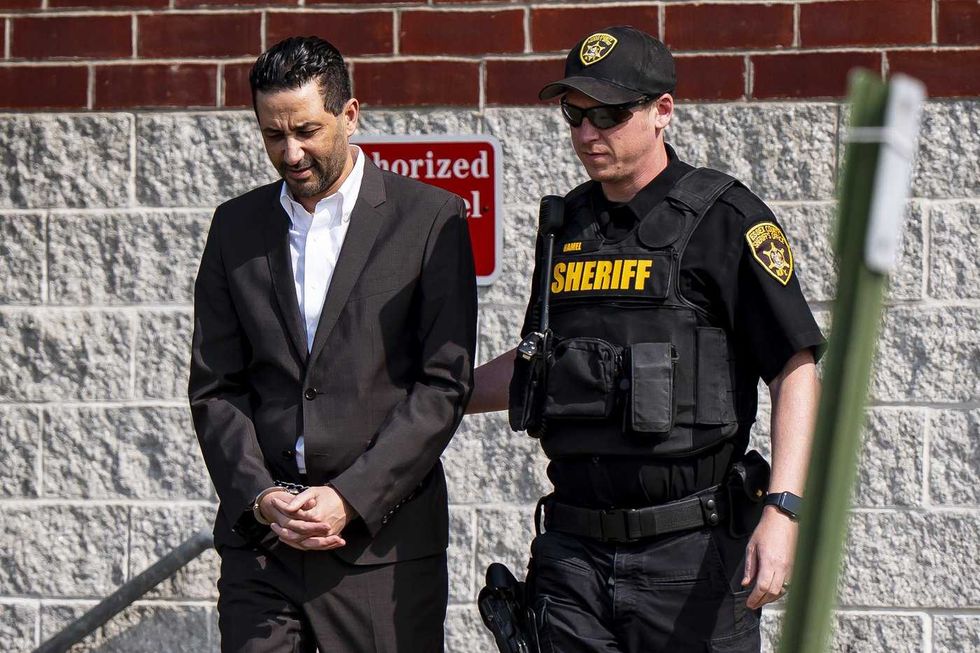 Luciano Frattolin is taken away in custody from the Essex County Court in Elizabethtown, New York on Friday, July 24, 2026. Luciano Frattolin charged with 2nd-degree murder and concealment of a human corpse.
THE CANADIAN PRESS/Christopher Katsarov
Luciano Frattolin is taken away in custody from the Essex County Court in Elizabethtown, New York on Friday, July 24, 2026. Luciano Frattolin charged with 2nd-degree murder and concealment of a human corpse.
THE CANADIAN PRESS/Christopher Katsarov Police officers open the back of a recovered truck during a press conference regarding Project 24K, a joint investigation into the theft of gold from Pearson International Airport, in Brampton, Ont., on Wednesday, April 17, 2024.
THE CANADIAN PRESS/Arlyn McAdorey
Police officers open the back of a recovered truck during a press conference regarding Project 24K, a joint investigation into the theft of gold from Pearson International Airport, in Brampton, Ont., on Wednesday, April 17, 2024.
THE CANADIAN PRESS/Arlyn McAdorey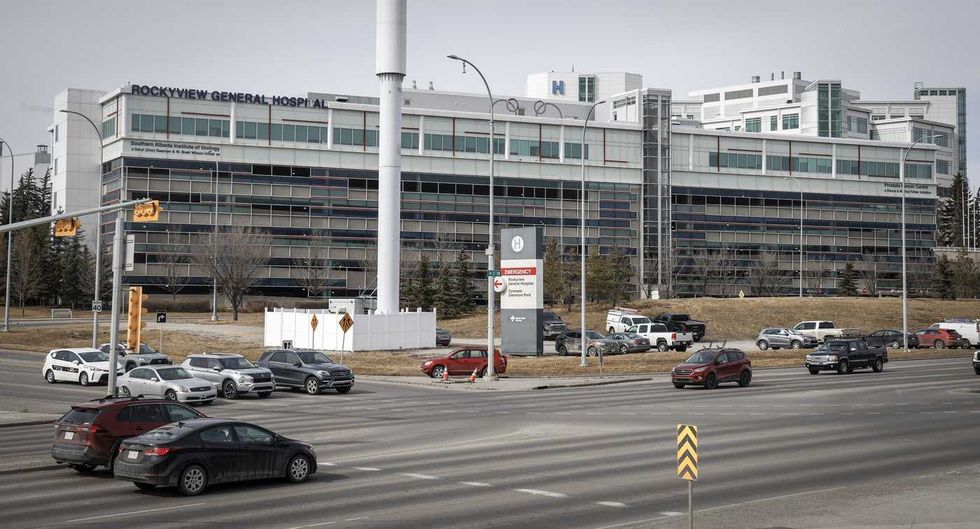 The Rockyview General Hospital is pictured in Calgary, Thursday, March 20, 2025.
THE CANADIAN PRESS/Jeff McIntosh
The Rockyview General Hospital is pictured in Calgary, Thursday, March 20, 2025.
THE CANADIAN PRESS/Jeff McIntosh This composite image shows, left to right, B.C. NDP Leader David Eby in Vancouver, on April 13, 2026; B.C. Conservative interim Leader Lorne Doerkson, in Vancouver, on Sept. 22, 2026; B.C. Green Party Leader Emily Lowan in Victoria, on Sept. 23, 2026.
THE CANADIAN PRESS/Darryl Dyck, Rich Lam, Kevin Light
This composite image shows, left to right, B.C. NDP Leader David Eby in Vancouver, on April 13, 2026; B.C. Conservative interim Leader Lorne Doerkson, in Vancouver, on Sept. 22, 2026; B.C. Green Party Leader Emily Lowan in Victoria, on Sept. 23, 2026.
THE CANADIAN PRESS/Darryl Dyck, Rich Lam, Kevin Light