



This article was originally published on January 9, 2019.
Canada introduced new impaired driving laws in December 2018 but lawyers are saying one of the most controversial new rules have gone largely unreported. Canada's new two hour impaired driving rule makes it so that police can demand a breath sample up to two hours after you've been driving and the onus is on you to prove you weren't impaired while in your car.
READ ALSO: Canada's Strict New Impaired Driving Laws And Penalties Officially Now In Effect
For example, say you were driving home for the night and then enjoy a couple of beverages at home. Police could show up at your door demanding a breath sample. If you don't provide one, you'll be arrested. If you blow over the limit, you'll be arrested for impaired driving, even though you were sober while driving - now, it's on you to prove that.
Of course, the police likely aren't going to randomly go door to door demanding breath samples. However, now if someone calls in and reports that you were driving suspiciously, police can come sample you and arrest you if you fail. Essentially the two-hour impaired driving rule makes it illegal to drink at home if you drove two hours before that.
The law isn't limited to people at home, either. Police could also come into a restaurant or bar where people have been drinking, and most likely could have driven to, and demand breath samples. In both these scenarios, it will be really hard to prove you weren't drinking when you drove earlier.

 @nadztho85
That's what is prompting Canadians to call this new two-hour rule unconstitutional. According to some lawyers who specialize in impaired driving cases, the new laws are ridiculous and erroneous since it allows police to randomly prosecute people even if they weren't seen or proven to be driving while impaired. One Toronto-based lawyer told Global that this new rule is “a serious erosion of civil liberties."
Canadians agree with them. On a Reddit thread about the two-hour impaired driving rule, many Canadians call the laws unjust, ridiculous, and a slippery slope while also suggesting that there are grounds to challenge them in the supreme court.
Many criminal lawyers back up that this law may, in fact, be unconstitutional and like Canadians, they suggest that an appeal in the Supreme Court of Canada is likely in the future.
The problem is that appeal could take years to be heard in the courts. Until then, thousands of Canadians could find themselves unjustly arrested and even convicted of impaired driving, a crime they may have never committed.

 @officialyrp
The only way to avoid breaking this new two-hour impaired driving rule is for Canadians to avoid drinking or become otherwise impaired at all for two hours after driving. If you are convicted of impaired driving, the new law also includes harsher penalties including automatic license suspensions.
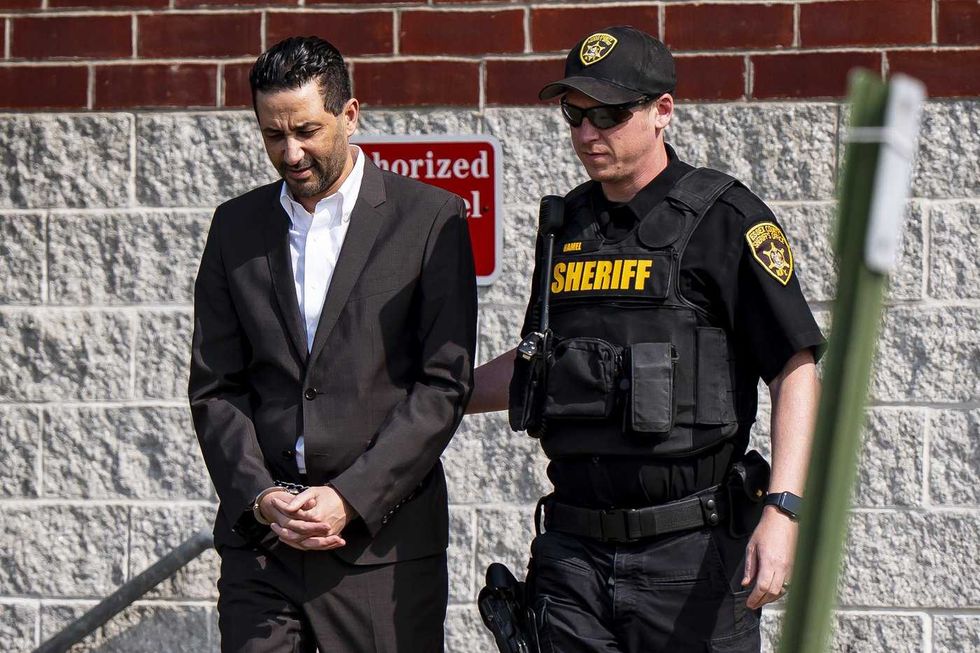 Luciano Frattolin is taken away in custody from the Essex County Court in Elizabethtown, New York on Friday, July 24, 2026. Luciano Frattolin charged with 2nd-degree murder and concealment of a human corpse.
THE CANADIAN PRESS/Christopher Katsarov
Luciano Frattolin is taken away in custody from the Essex County Court in Elizabethtown, New York on Friday, July 24, 2026. Luciano Frattolin charged with 2nd-degree murder and concealment of a human corpse.
THE CANADIAN PRESS/Christopher Katsarov Police officers open the back of a recovered truck during a press conference regarding Project 24K, a joint investigation into the theft of gold from Pearson International Airport, in Brampton, Ont., on Wednesday, April 17, 2024.
THE CANADIAN PRESS/Arlyn McAdorey
Police officers open the back of a recovered truck during a press conference regarding Project 24K, a joint investigation into the theft of gold from Pearson International Airport, in Brampton, Ont., on Wednesday, April 17, 2024.
THE CANADIAN PRESS/Arlyn McAdorey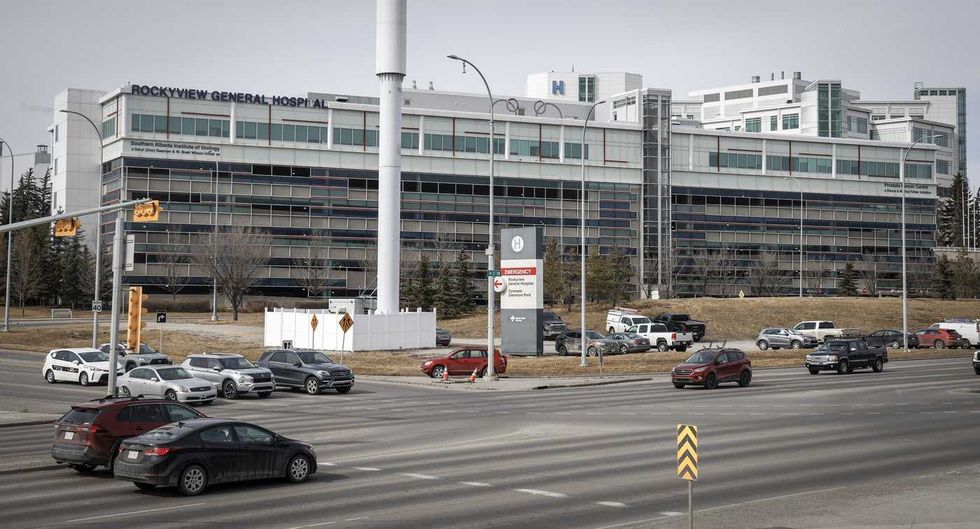 The Rockyview General Hospital is pictured in Calgary, Thursday, March 20, 2025.
THE CANADIAN PRESS/Jeff McIntosh
The Rockyview General Hospital is pictured in Calgary, Thursday, March 20, 2025.
THE CANADIAN PRESS/Jeff McIntosh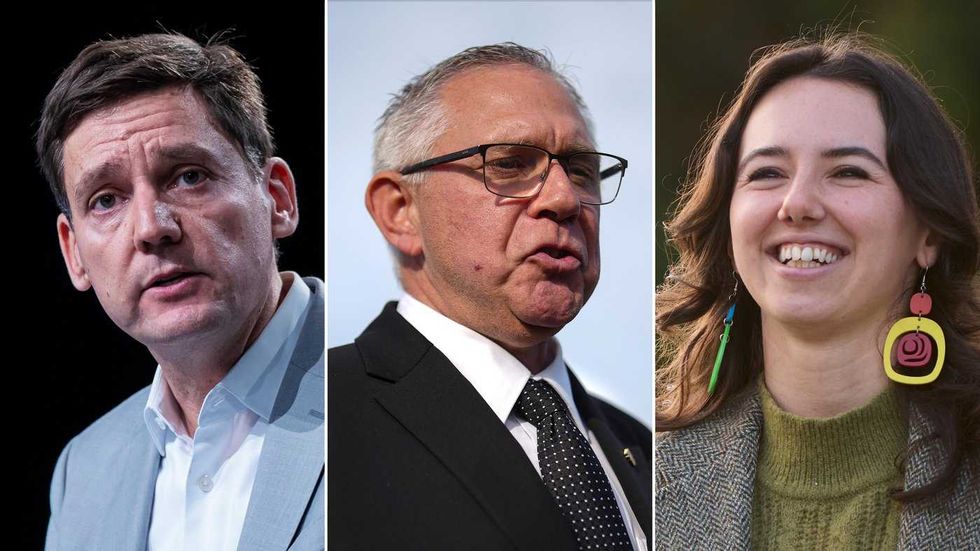 This composite image shows, left to right, B.C. NDP Leader David Eby in Vancouver, on April 13, 2026; B.C. Conservative interim Leader Lorne Doerkson, in Vancouver, on Sept. 22, 2026; B.C. Green Party Leader Emily Lowan in Victoria, on Sept. 23, 2026.
THE CANADIAN PRESS/Darryl Dyck, Rich Lam, Kevin Light
This composite image shows, left to right, B.C. NDP Leader David Eby in Vancouver, on April 13, 2026; B.C. Conservative interim Leader Lorne Doerkson, in Vancouver, on Sept. 22, 2026; B.C. Green Party Leader Emily Lowan in Victoria, on Sept. 23, 2026.
THE CANADIAN PRESS/Darryl Dyck, Rich Lam, Kevin Light