As drone-fuelled warfare rages on half a world away in Ukraine, the Canadian Army's program for rapidly acquiring basic drones is just revving up.
The pressure is on for the Canadian Armed Forces to speed up its adoption of drones as the technology changes the nature of modern warfare.
Lt.-Col. Jonathan Penney, who is co-ordinating the Army's Minerva drone program, says while the army feels pressure to pick up the pace, it's also focused on finding the right mix of tech for its current needs.
The Minerva program published a batch of tenders in recent months, from low-cost Arctic surveillance drones and targeting drones for indirect artillery fire.
---
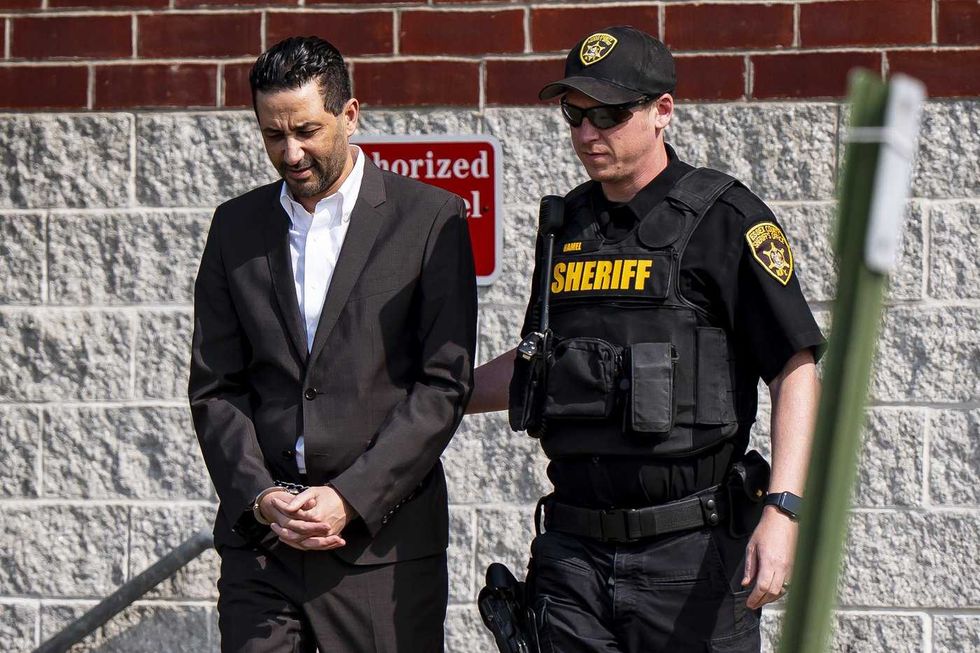
 Luciano Frattolin is taken away in custody from the Essex County Court in Elizabethtown, New York on Friday, July 24, 2026. Luciano Frattolin charged with 2nd-degree murder and concealment of a human corpse.
THE CANADIAN PRESS/Christopher Katsarov
Luciano Frattolin is taken away in custody from the Essex County Court in Elizabethtown, New York on Friday, July 24, 2026. Luciano Frattolin charged with 2nd-degree murder and concealment of a human corpse.
THE CANADIAN PRESS/Christopher Katsarov
Father set to be sentenced in New York for the murder of nine-year-old Montreal girl
A Montreal man found guilty of drowning his daughter in a creek in Upstate New York is set to be sentenced today in Essex County Court.
On Aug. 10, a jury in Elizabethtown, N.Y., found Luciano Frattolin guilty of second-degree murder and concealment of a human corpse in the death of nine-year-old Melina Frattolin.
During the trial, the defence tried to argue that local police had not adequately investigated Frattolin's claims that his daughter was kidnapped.
District Attorney Michael Langey has said Frattolin could face a life sentence for the murder charge with eligibility for parole after a minimum of either 15 or 25 years.
---
Police officers open the back of a recovered truck during a press conference regarding Project 24K, a joint investigation into the theft of gold from Pearson International Airport, in Brampton, Ont., on Wednesday, April 17, 2024.
THE CANADIAN PRESS/Arlyn McAdorey
Trial for man accused in Pearson gold heist set to hear more from key figure in case
The man who received a prison sentence for his role in the Toronto Pearson airport gold heist is expected to continue his testimony today at the trial of another man accused in the case.
Arsalan Chaudhary was sentenced this spring to four years in prison after pleading guilty to theft over $5,000, and he was given 40 years to pay $22 million in restitution.
He took the stand Tuesday in the Brampton, Ont., trial of Parmpal Sidhu, who has pleaded not guilty to charges of theft over $5,000 and conspiracy to commit an indictable offence in the 2023 heist.
Chaudhary said he planned the heist with another man who is still wanted by authorities, and he ended up taking 30 per cent of boxes full of one-ounce gold bars.
---
 The Rockyview General Hospital is pictured in Calgary, Thursday, March 20, 2025.
THE CANADIAN PRESS/Jeff McIntosh
The Rockyview General Hospital is pictured in Calgary, Thursday, March 20, 2025.
THE CANADIAN PRESS/Jeff McIntosh
More than half of doctors surveyed would leave an independent Alberta: medical group
More than half of hundreds of physicians surveyed would not practise in Alberta if the province leaves Confederation.
The Alberta Medical Association says the doctors, among the 1,600 it surveyed, would instead move to another province or territory.
The association says 15 per cent of responders would continue living and practising in Alberta if it became an independent nation.
Today is the second of five days of advanced voting on separation ahead of the official polling day on Oct. 19.
---
 This composite image shows, left to right, B.C. NDP Leader David Eby in Vancouver, on April 13, 2026; B.C. Conservative interim Leader Lorne Doerkson, in Vancouver, on Sept. 22, 2026; B.C. Green Party Leader Emily Lowan in Victoria, on Sept. 23, 2026.
THE CANADIAN PRESS/Darryl Dyck, Rich Lam, Kevin Light
This composite image shows, left to right, B.C. NDP Leader David Eby in Vancouver, on April 13, 2026; B.C. Conservative interim Leader Lorne Doerkson, in Vancouver, on Sept. 22, 2026; B.C. Green Party Leader Emily Lowan in Victoria, on Sept. 23, 2026.
THE CANADIAN PRESS/Darryl Dyck, Rich Lam, Kevin Light
Three B.C. party leaders to face off in only televised debate of election
The leaders of British Columbia's three main parties are to face off today in their only debate of the snap provincial election.
NDP Leader David Eby, interim Conservative leader Lorne Doerkson and Green Leader Emily Lowan are to debate from 6:15 p.m. to 8 p.m., with all major television and radio networks broadcasting the event.
It's set to be moderated by Angus Reid Institute president Shachi Kurl.
The debate follows the Greens releasing a platform for the Oct. 24 election, promising initiatives in health care, education and other social services worth almost $9.3 billion per year over the next two fiscal years.
---
This report by The Canadian Press was first published Oct. 14, 2026.
Copyright 2026, The Canadian Press. All rights reserved.




 Luciano Frattolin is taken away in custody from the Essex County Court in Elizabethtown, New York on Friday, July 24, 2026. Luciano Frattolin charged with 2nd-degree murder and concealment of a human corpse.
THE CANADIAN PRESS/Christopher Katsarov
Luciano Frattolin is taken away in custody from the Essex County Court in Elizabethtown, New York on Friday, July 24, 2026. Luciano Frattolin charged with 2nd-degree murder and concealment of a human corpse.
THE CANADIAN PRESS/Christopher Katsarov Police officers open the back of a recovered truck during a press conference regarding Project 24K, a joint investigation into the theft of gold from Pearson International Airport, in Brampton, Ont., on Wednesday, April 17, 2024.
THE CANADIAN PRESS/Arlyn McAdorey
Police officers open the back of a recovered truck during a press conference regarding Project 24K, a joint investigation into the theft of gold from Pearson International Airport, in Brampton, Ont., on Wednesday, April 17, 2024.
THE CANADIAN PRESS/Arlyn McAdorey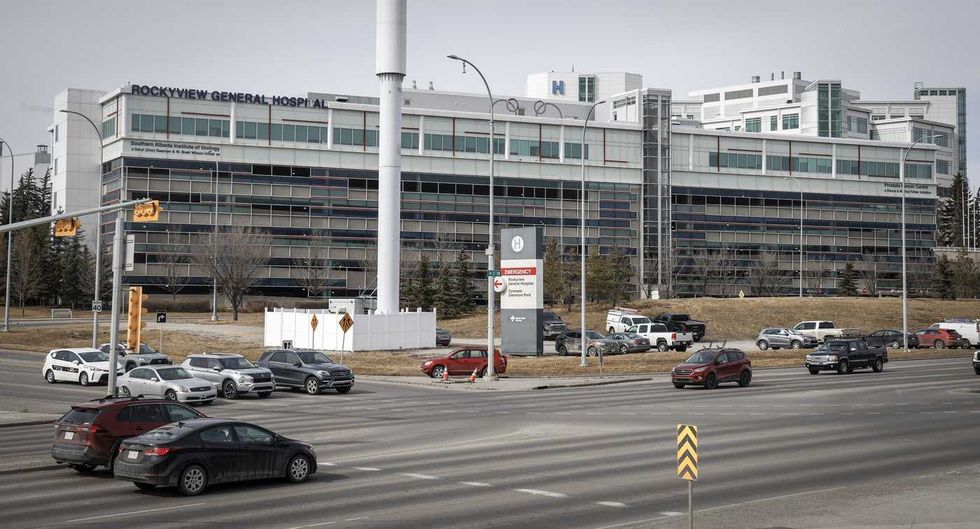 The Rockyview General Hospital is pictured in Calgary, Thursday, March 20, 2025.
THE CANADIAN PRESS/Jeff McIntosh
The Rockyview General Hospital is pictured in Calgary, Thursday, March 20, 2025.
THE CANADIAN PRESS/Jeff McIntosh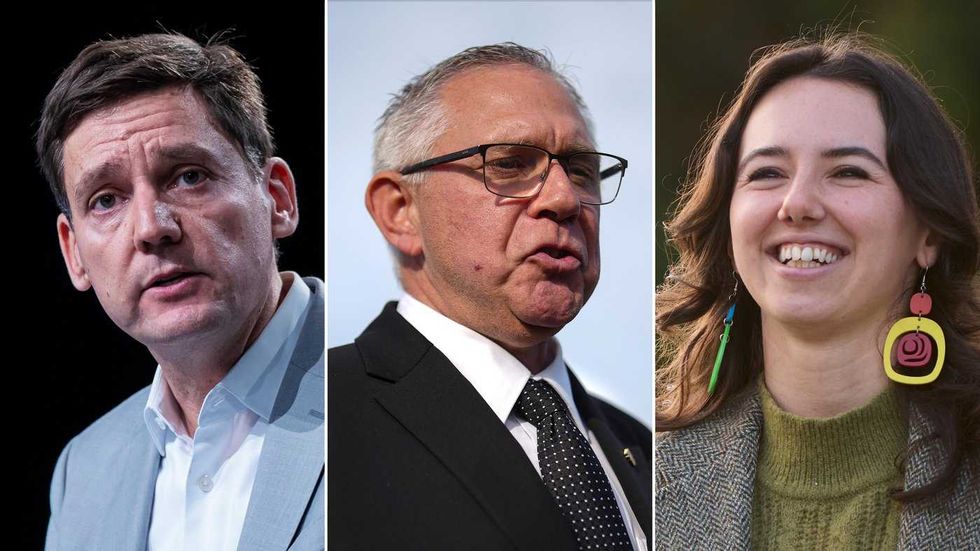 This composite image shows, left to right, B.C. NDP Leader David Eby in Vancouver, on April 13, 2026; B.C. Conservative interim Leader Lorne Doerkson, in Vancouver, on Sept. 22, 2026; B.C. Green Party Leader Emily Lowan in Victoria, on Sept. 23, 2026.
THE CANADIAN PRESS/Darryl Dyck, Rich Lam, Kevin Light
This composite image shows, left to right, B.C. NDP Leader David Eby in Vancouver, on April 13, 2026; B.C. Conservative interim Leader Lorne Doerkson, in Vancouver, on Sept. 22, 2026; B.C. Green Party Leader Emily Lowan in Victoria, on Sept. 23, 2026.
THE CANADIAN PRESS/Darryl Dyck, Rich Lam, Kevin Light